IPL for Sun Spots and Redness: What to Know
Intense pulsed light uses filtered wavelengths of light rather than a single laser wavelength. Providers may use it to target selected brown pigment or visible vascular concerns, depending on the device and patient.
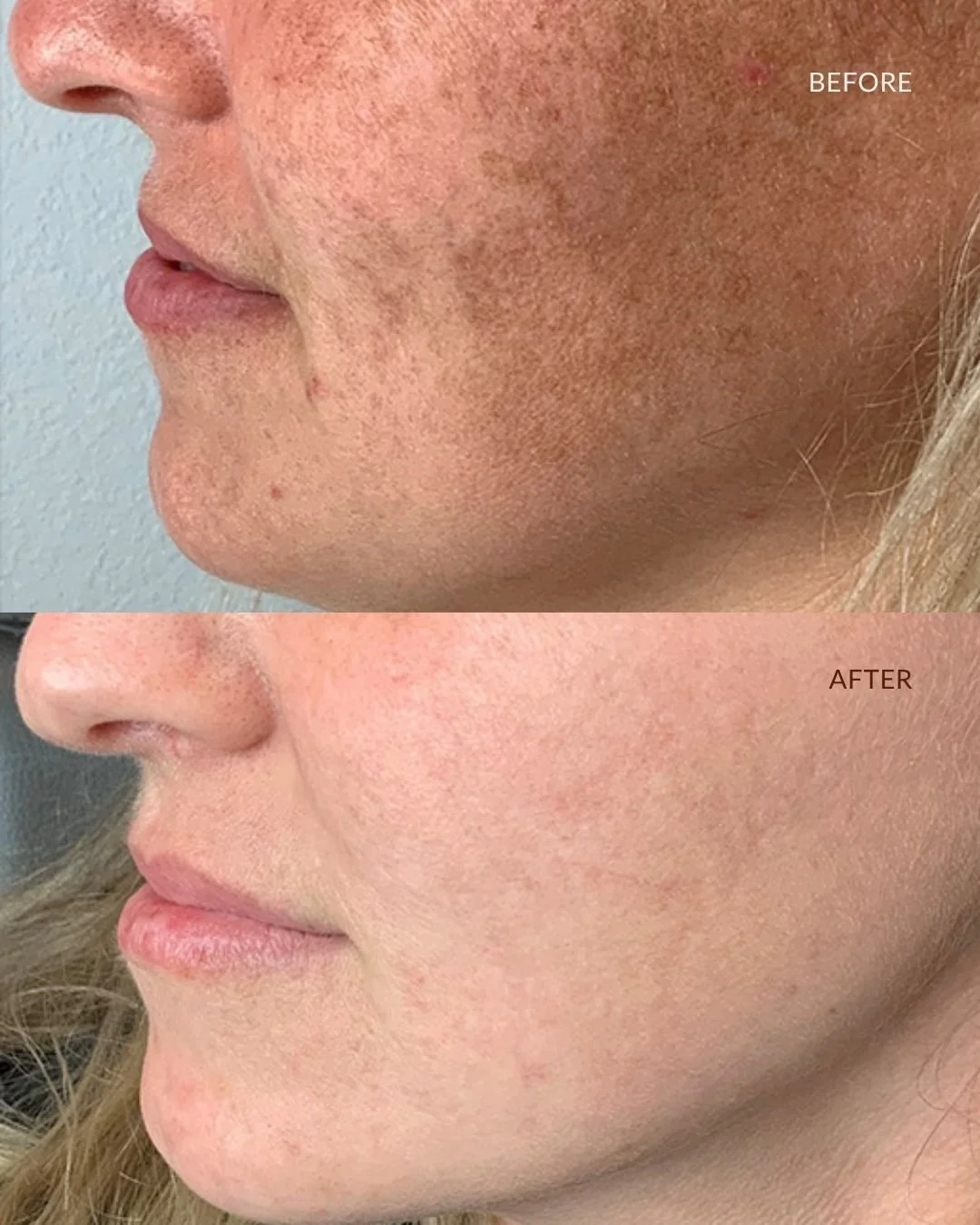
Candidacy comes first.
Skin tone, type of pigmentation, medications, active tanning, photosensitivity, and medical history influence whether IPL is appropriate. Not every brown spot should be treated cosmetically without evaluation.
What recovery may involve.
Temporary redness, swelling, sensitivity, or darkening of treated pigment can occur. More serious problems, including burns and pigment changes, are possible, especially with improper settings or sun exposure.
Protecting results.
Avoid tanning and follow pre- and post-treatment instructions. Broad-spectrum sunscreen and sun-protective behavior are essential to reduce preventable complications and future damage.
What to remember.
Disclose medications and recent sun exposure.
Ask about provider experience with your skin tone.
Schedule away from tanning, vacations, and major outdoor events.
Is IPL a laser?
No. IPL uses multiple wavelengths of light; lasers use a more specific wavelength.
How many sessions are needed?
It varies by concern and response.
Can IPL treat every kind of pigmentation?
No. Some pigment conditions may worsen with inappropriate treatment, so diagnosis matters.
Your next step at NIYA.
A consultation allows the NIYA team to review your goals, health history, current routine, timing, and candidacy before recommending treatment. Individual experiences and results vary.
Call to book your complimentary consultation.
Your glow starts here.